

Blog
New IRD Rules: Is Your Lifestyle Block Actually a Farm? What Every Rural Property Owner Needs to Know
25/02/2026
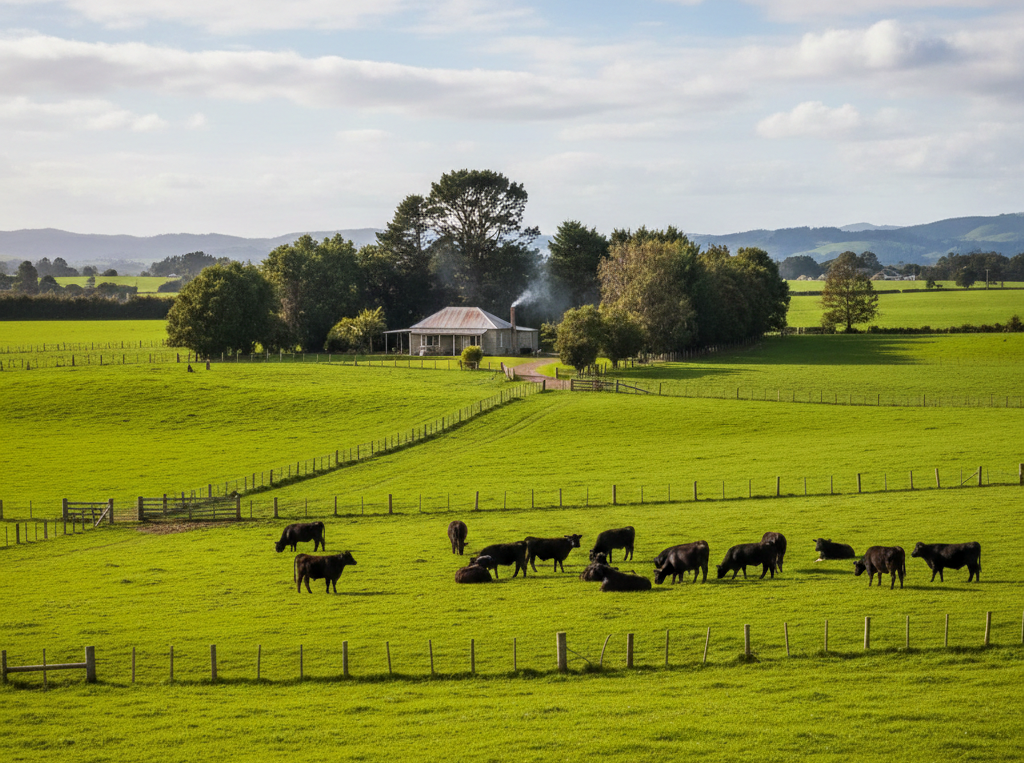 If you own a lifestyle block in New Zealand and keep a few animals on the side, you need to read this. The IRD has just released new guidance (IS 25/25) that could fundamentally change how your property is treated for tax purposes—and it might not be in the way you expect.For years, many lifestyle block owners have assumed that keeping cattle, sheep, or other livestock automatically means they're running a farming business. But according to the IRD's latest interpretation statement issued in November 2025, that assumption could cost you dearly when it comes time to sell.
What's Changed?
The IRD has clarified exactly what counts as a "business" for income tax purposes, and the bar is higher than many lifestyle block owners realize. This matters because if you're not actually running a business, your property may not qualify as "farmland" for tax purposes—which means it could be caught by the bright-line test when you sell.The bright-line test is a capital gains tax on residential property sold within a certain timeframe (currently 10 years for most properties, or 2 years if you've lived in it as your main home). Farmland is specifically excluded from this test—but only if you're genuinely carrying on a farming business.
The Real-Life Example That Changes Everything
The IRD's interpretation statement includes a particularly telling example that will resonate with many lifestyle block owners:Meet Zaid. He recently purchased a 4-hectare (approximately 10-acre) rural property outside Hamilton. He raises five beef cattle on the land primarily to keep the grass down, fill the freezer, and sell occasionally to cover expenses. He moves the cattle between paddocks, maintains water supply and fences, and generally looks after them in his spare time while working a full-time job in the city.Zaid buys feed, pays for vet bills, and incurs other cattle-related expenses. If he calculated all his costs, he'd likely find he's making a loss on this activity.When Zaid considers selling his land, he wonders: will the bright-line test apply? His cattle-raising should make it "farmland," right?Wrong.According to the IRD, Zaid's cattle-raising activity does NOT constitute a business.
Why Not? The Two-Part Test
The IRD uses what's called the "Grieve test" to determine whether an activity is a business. This involves two key questions:
1. What is the nature of the activities carried on?
The IRD considers:
In Zaid's case:
2. Is there an intention to make a profit?
This is crucial. It's not about whether you'd like to make a profit someday—it's about whether you genuinely intend to make a profit and whether that intention is objectively realistic.The IRD noted that even if Zaid claimed he intended to profit, the objective evidence doesn't support this. The scale is too small, and realistically there's no prospect of profit at this level of operation.
What This Means for Lifestyle Block Owners
If your situation is similar to Zaid's, here's what you need to know:1. Your property may be "residential," not "farmland"If you're not carrying on a farming business, your lifestyle block may be classified as residential land for tax purposes. This means when you sell, you could be liable for tax under the bright-line test if you've owned the property for less than 10 years (or 2 years if it's been your main home).2. You may not be able to claim business deductionsIf you're not in business, you can't claim deductions for your farming expenses against your other income. So those feed costs, vet bills, and fence maintenance? They're not tax-deductible.3. The scale really mattersThe IRD is clearly signaling that hobby farming or keeping a few animals on the side while working full-time is not the same as running a farming business—no matter how much time and money you put into it.
So What Does Count as a Farming Business?
While the IRD doesn't give absolute rules (each case depends on its facts), they do indicate what tips the scales toward being in business:
The document references another case where someone converted to farming full-time, worked steadily on the farm (weekends, one weekday afternoon, and holidays), and was found to be in business. The difference? Scale, commitment, and genuine profit-seeking intent.
What Should You Do Now?
If you own a lifestyle block with some farming activities, here's your action plan:
1. Assess your current situation
Honestly evaluate your activity against the Grieve test. Consider:
2. Document your business intent
If you genuinely want to be in business, you need evidence:
3. Consider the bright-line implications
If you're planning to sell within the next 10 years, understand whether you'll be caught by the bright-line test. If your farming activity isn't a business, you may need to:
4. Get professional advice
This is complex stuff, and the tax consequences can be significant. A few thousand dollars spent on professional accounting advice now could save you tens or hundreds of thousands in tax later.
The Bottom Line
The romantic dream of the lifestyle block—escaping the city, keeping a few animals, being "farmers" on the side—is alive and well in New Zealand. But the tax reality has just gotten clearer, and for many owners, it's not what they expected.If you're working full-time in town and keeping a handful of cattle or sheep on a small block, you're probably not running a farming business in the IRD's eyes. That means your property is likely residential, subject to the bright-line test, and your farming expenses aren't deductible.The good news? Now you know. And knowing means you can plan properly, set realistic expectations, and avoid nasty surprises down the track.
Need Help?
At CMK Accountants, we've been helping rural and lifestyle block owners in Taranaki and beyond for nearly 70 years. We understand the unique challenges of rural property ownership, and we're here to help you navigate these new rules.Contact us today for a consultation about your specific situation. Let's make sure your lifestyle block dream doesn't turn into a tax nightmare. Disclaimer: This article provides general information only and should not be relied upon as specific tax advice. Every situation is different, and you should consult with a qualified tax advisor about your particular circumstances.

